











The Ultimate Guide to Choosing the Perfect Wedding Flowers
Plan your dream wedding flowers with this comprehensive guide. From budgeting and finding the perfect florist to choosing seasonal blooms and matching your floral arrangements to your theme, discover expert tips to create stunning, cost-effective wedding flowers.


Wedding flowers play a vital role in creating a beautiful and memorable atmosphere for your big day. From bouquets and boutonnieres to centerpieces and floral arches, your floral arrangements help set the tone and tie together your wedding’s theme and color palette. However, selecting the right flowers requires careful planning, creativity, and collaboration with the right florist.
This comprehensive guide will take you through every step of choosing your wedding flowers, ensuring they enhance your special day and stay within budget.
Step 1: Start with a Budget
Why Budgeting is Crucial
Wedding flowers can account for a significant portion of your overall wedding budget, so it’s essential to plan ahead:
- Set a Realistic Budget: Determine how much you’re willing to spend on flowers before consulting with a florist.
- Allocate Funds Wisely: Decide how much of your floral budget should go to key elements such as bouquets, centerpieces, and ceremony décor.
- Avoid Overspending: A budget ensures you won’t overspend on flowers and compromise other aspects of your wedding.
Pro Tip: Keep some flexibility in your budget for unexpected floral needs, such as additional arrangements or last-minute changes.
Step 2: Choose the Right Florist
Gather Recommendations
- Friends and Family: Ask recently married friends or family members for florist recommendations.
- Venue Suggestions: Many wedding venues work with trusted florists and can provide a list of preferred vendors.
- Online Reviews: Check reviews on platforms like Google, Yelp, or wedding websites to find highly-rated florists in your area.
Visit Florists in Person
- Observe how customers are treated and assess the cleanliness and organization of the shop.
- Examine the freshness and quality of flowers on display.
- Look for creative, well-designed arrangements to gauge the florist’s skill level.
Request Portfolios
- Ask florists to show you their portfolio of wedding arrangements. Look for designs that align with your vision and assess their experience with weddings.
Step 3: Plan Your Floral Needs
Make a List of Required Arrangements
Consider all the floral elements you’ll need, including:
- Bouquets: For the bride and bridesmaids.
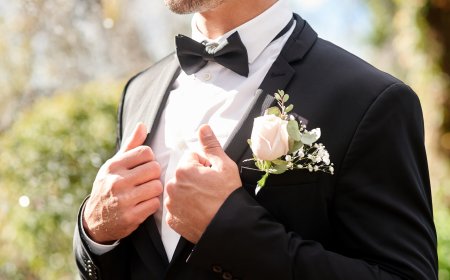
- Boutonnieres: For the groom, groomsmen, and other key family members.
- Corsages: For mothers, grandmothers, and other honored guests.
- Ceremony Décor: Altar arrangements, aisle markers, or arches.
- Reception Décor: Centerpieces, floral table runners, and decorative accents for the cake table or guestbook station.
Bring Pictures and Inspiration
- Collect photos of floral arrangements you admire from bridal magazines, Pinterest, or Instagram.
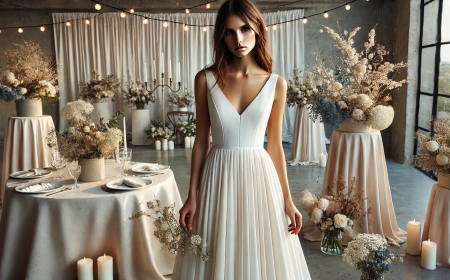
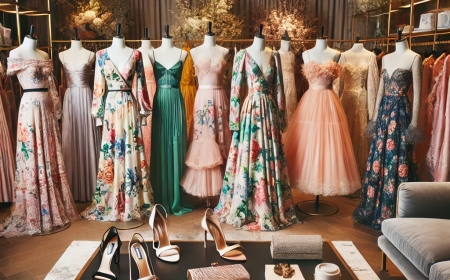
- Share pictures of your wedding dress, bridesmaids’ dresses, and venue to help your florist align the flowers with your overall aesthetic.
Step 4: Match Flowers to Your Theme and Style
Wedding Style Matters
- Formal Weddings: Opt for classic flowers like roses, peonies, or orchids arranged in structured designs.
- Casual Weddings: Choose loose, relaxed arrangements with wildflowers, greenery, or seasonal blooms.
- Themed Weddings: Align your flowers with your theme (e.g., tropical flowers for a beach wedding or rustic blooms for a barn setting).
Coordinate with Your Color Scheme
- Bring fabric swatches or color samples to help your florist choose blooms that complement your wedding palette.
- Avoid clashing colors by ensuring harmony between the flowers and other décor elements.
Step 5: Choose Seasonal and Regional Blooms
Why Seasonal Flowers Are a Great Choice
- Cost-Effective: Seasonal flowers are more affordable and readily available than out-of-season imports.
- Freshness: Locally grown blooms are often fresher and last longer.
Examples of Seasonal Flowers
- Spring: Tulips, peonies, daffodils, lilacs.
- Summer: Roses, sunflowers, daisies, hydrangeas.
- Fall: Chrysanthemums, marigolds, dahlias, berries.
- Winter: Amaryllis, poinsettias, evergreens, holly.
Step 6: Collaborate with Your Florist
Discuss Design Options
- Share your vision for your wedding day and let the florist know your priorities.
- Ask for suggestions on unique arrangements or combinations you may not have considered.
Sample Arrangements
- Request a mock-up or small sample of a centerpiece or bouquet to ensure the design matches your expectations.
Flexibility and Creativity
- Be open to your florist’s suggestions, especially if certain flowers are unavailable or exceed your budget.
Step 7: Plan for Logistics
Delivery and Setup
- Confirm delivery times to ensure the flowers arrive fresh and are set up before the ceremony and reception.
- Check if your florist provides setup services or if you’ll need additional staff for installation.
Maintenance
- Discuss how to keep the flowers fresh throughout the event, particularly if you’re hosting an outdoor wedding in warm weather.
Step 8: Finalize the Details
Timeline
- Book your florist early—ideally 6–9 months before the wedding.
- Confirm delivery dates and any deadlines for changes to your order.
Review the Contract
- Ensure all agreed-upon services, arrangements, and costs are outlined in the contract.
- Double-check cancellation and refund policies in case of unexpected changes.
Step 9: Enjoy Your Wedding Flowers
With careful planning, your flowers will enhance your wedding’s beauty and ambiance. Relax and trust that your efforts and collaboration with your florist will result in stunning arrangements that perfectly complement your special day.
What's Your Reaction?