


















Including Everyone in Your Wedding Invitations: Navigating Blended Families and Sensitive Situations
Learn how to craft inclusive and meaningful wedding invitations that honor blended families, step-parents, and deceased loved ones. This guide offers practical tips and thoughtful wording ideas to ensure everyone feels acknowledged and celebrated on your special day.

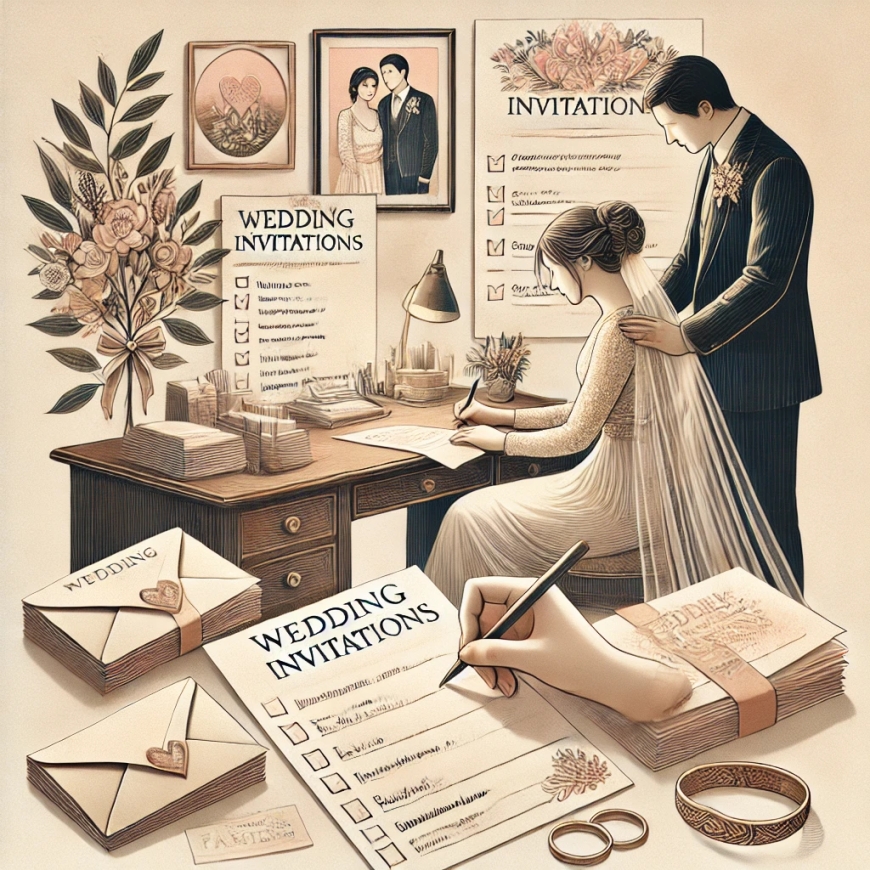
Modern families come in all shapes and sizes, making the task of crafting inclusive wedding invitations a delicate and thoughtful process. Whether you’re including step-parents, acknowledging deceased loved ones, or balancing complex family dynamics, this guide will help you navigate these challenges with grace.
A Step Up: Incorporating Step-Parents
For many couples, step-parents hold a role just as significant as biological parents. Including them in your wedding invitations can be a meaningful way to acknowledge their importance. Here are some approaches:
Traditional Wording with Step-Parents
-
Most invitations traditionally read, “Mr. and Mrs. [Last Name] request the honor of your presence at the marriage of their daughter [Bride’s Name] to [Groom’s Name], son of Mr. and Mrs. [Last Name].” To include step-parents, modify the format as:
-
“[Biological Parent’s Name] and [Step-Parent’s Name], and [Other Biological Parent’s Name] and [Step-Parent’s Name], request the honor of your presence…”
-
Simplified Approaches
-
If you prefer simplicity, you can mention only biological parents or use phrases such as “Together with their families…” to encompass everyone without listing individual names.
Excluding Absent Parents
-
If a biological parent has been absent, you are not obligated to include them in the invitation. Tailor the wording to reflect your personal relationships and comfort level.
Honoring Deceased Loved Ones
Acknowledging deceased parents or family members in your wedding invitation can add a heartfelt touch. Here’s how to do it respectfully:
Mentioning Deceased Parents
-
Use phrasing such as “son of Mr. [Last Name] and the late Mrs. [Last Name]” or “son of the late Mr. and Mrs. [Last Name]” to honor their memory.
Recent Losses
-
If a loss is recent, consider including a note in the wedding program or a separate acknowledgment to inform guests and avoid awkward situations during the ceremony.
Practical Tips for Writing Invitations
Test the Wording
-
Read your invitation wording aloud to ensure it flows naturally. This can help you identify any awkward phrasing and make adjustments.
Seek Input
-
If you’re unsure about how to word your invitation, consult with close family members or a wedding planner for advice. Their perspective can help you strike the right balance.
Keep It Personal
-
Ultimately, your wedding invitations should reflect your unique relationships and values. Don’t feel pressured to conform to rigid templates if they don’t suit your family dynamics.
Final Thoughts
Crafting wedding invitations that include everyone in your family—biological parents, step-parents, and even those who have passed on—is a thoughtful way to set the tone for your special day. While it may take extra effort, creating inclusive wording ensures that your invitations celebrate the love and support of those who matter most in your life.
What's Your Reaction?