






A Comprehensive Guide to Wedding Flowers for Your Big Day
Create stunning wedding flowers with this comprehensive guide. Learn how to choose the right blooms for your ceremony, reception, and bridal party, whether you’re DIYing or working with a florist.


Flowers are an integral part of your wedding, adding beauty, elegance, and a touch of your unique style to the ceremony and reception. While many brides have a clear vision of their bridal bouquet, selecting flowers for the rest of the wedding can feel overwhelming. From the altar to the reception tables, and the bridal party to family members, wedding flowers play a role in nearly every aspect of your special day.
This detailed guide will walk you through everything you need to know about wedding flowers—whether you’re working with a florist or planning a DIY approach. Learn how to choose the right blooms for every part of your celebration, along with practical tips to simplify the process.
Step 1: Decide on Your Approach
Hire a Professional Florist
- A professional florist will handle everything from design to delivery, ensuring beautiful arrangements that align with your theme.
- They can offer expert advice on seasonal flowers and help you stay within your budget.
DIY Your Wedding Flowers
- For creative brides, DIY flowers can add a personal touch and save money.
- Invest in a floral craft book, gather the necessary tools, and practice making arrangements ahead of time.
- Order flowers from a wholesale flower retailer for bulk pricing.
Step 2: Essential Wedding Flower Checklist
Ceremony Flowers
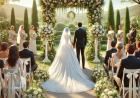
- Altar Arrangements: These are the focal point of your ceremony space and can include large floral displays or simple greenery.
- Pew Markers/Decorations: Small bouquets, ribbons, or floral garlands to adorn the aisle seating.
Reception Flowers
- Bridal Table Arrangement: A standout centerpiece for the couple’s table.
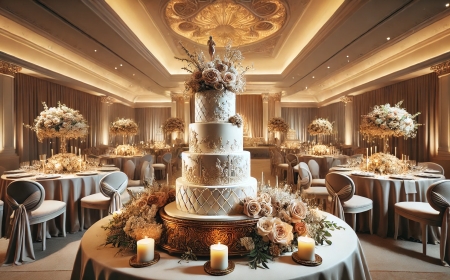
- Table Centerpieces: Coordinated floral displays for guest tables.
- Buffet Table Decorations: Smaller arrangements to complement the food displays.
Bridal Party Flowers
- Bridal Bouquet: The centerpiece of the bride’s floral design.
- Toss Bouquet: A smaller version of the bridal bouquet for the bouquet toss.
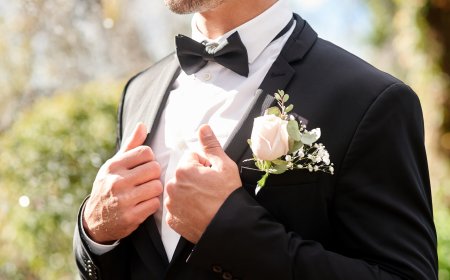
- Groom’s Boutonniere: A flower or small arrangement pinned to the groom’s lapel.
- Maid/Matron of Honor Bouquet: Slightly more elaborate or in a different color than the bridesmaid bouquets.
- Bridesmaid Bouquets: Coordinated with the wedding color palette and bridal bouquet.
- Best Man Boutonniere: More intricate than the groomsmen’s boutonnieres.
- Groomsmen Boutonnieres: Simple floral accents for the lapels of the bridal party.
- Flower Girl Bouquet or Petal Basket: Small bouquet or basket filled with flower petals for scattering.
- Corsages for Mothers of the Bride and Groom: Elegant wrist or pin-on floral pieces.
- Boutonnieres for Fathers of the Bride and Groom: Coordinated with the overall floral theme.
- Corsages/Boutonnieres for Step-Parents and Grandparents: Differentiated designs to make them feel special and easy for guests to identify.
Step 3: Practical Wedding Flower Tips
Maximize Your Budget
- Repurpose ceremony flowers for the reception by transferring altar arrangements to the reception hall.
- Place bridesmaid bouquets in vases at the bridal table to double as decorations.
Differentiate Key Roles
- Make the maid/matron of honor bouquet slightly more elaborate than the bridesmaids’ bouquets.
- Design the best man boutonniere to stand out from the groomsmen.
- Use unique designs for parents, step-parents, and grandparents to distinguish their roles.
Plan for Seasonality
- Choose flowers that are in season to save on costs and ensure availability.
- Work with your florist to find alternatives if your preferred blooms are out of season.
Practice for DIY
- If you’re making your own arrangements, purchase flowers in advance for practice runs.
- Assemble bouquets and arrangements a day or two before the wedding to ensure freshness.
Step 4: Reflect Your Personal Style
Your wedding flowers should reflect your personality, theme, and the overall ambiance you want to create. Consider these options:
- Simple and Elegant: Focus on one or two types of flowers in a monochromatic palette.
- Vibrant and Playful: Use a mix of colorful blooms and textures for a lively look.
- Rustic and Natural: Incorporate greenery, wildflowers, and earthy tones for a relaxed vibe.
- Luxurious and Dramatic: Opt for cascading arrangements with lush blooms like roses, orchids, or peonies.
Step 5: Create a Floral Timeline
- 6–12 Months Before: Book your florist or order DIY supplies. Discuss your vision and finalize your floral needs.
- 3–6 Months Before: Confirm your flower choices, color palette, and design preferences.
- 1 Month Before: Review your checklist to ensure all arrangements are accounted for.
- Wedding Week: Assemble DIY arrangements or confirm delivery and setup with your florist.
Conclusion: Designing Your Dream Wedding Flowers
Whether you’re crafting your own arrangements or working with a professional florist, your wedding flowers play a vital role in setting the tone and style of your celebration. By using this guide, you’ll cover all your floral needs, stay within budget, and create stunning arrangements that reflect your unique love story.
What's Your Reaction?